Where Continents Dissolve: Lessons from Solitude in Patagonia
Navigating sub-Antarctic squalls, cobalt ice fields, and the profound calm of the end of the world.
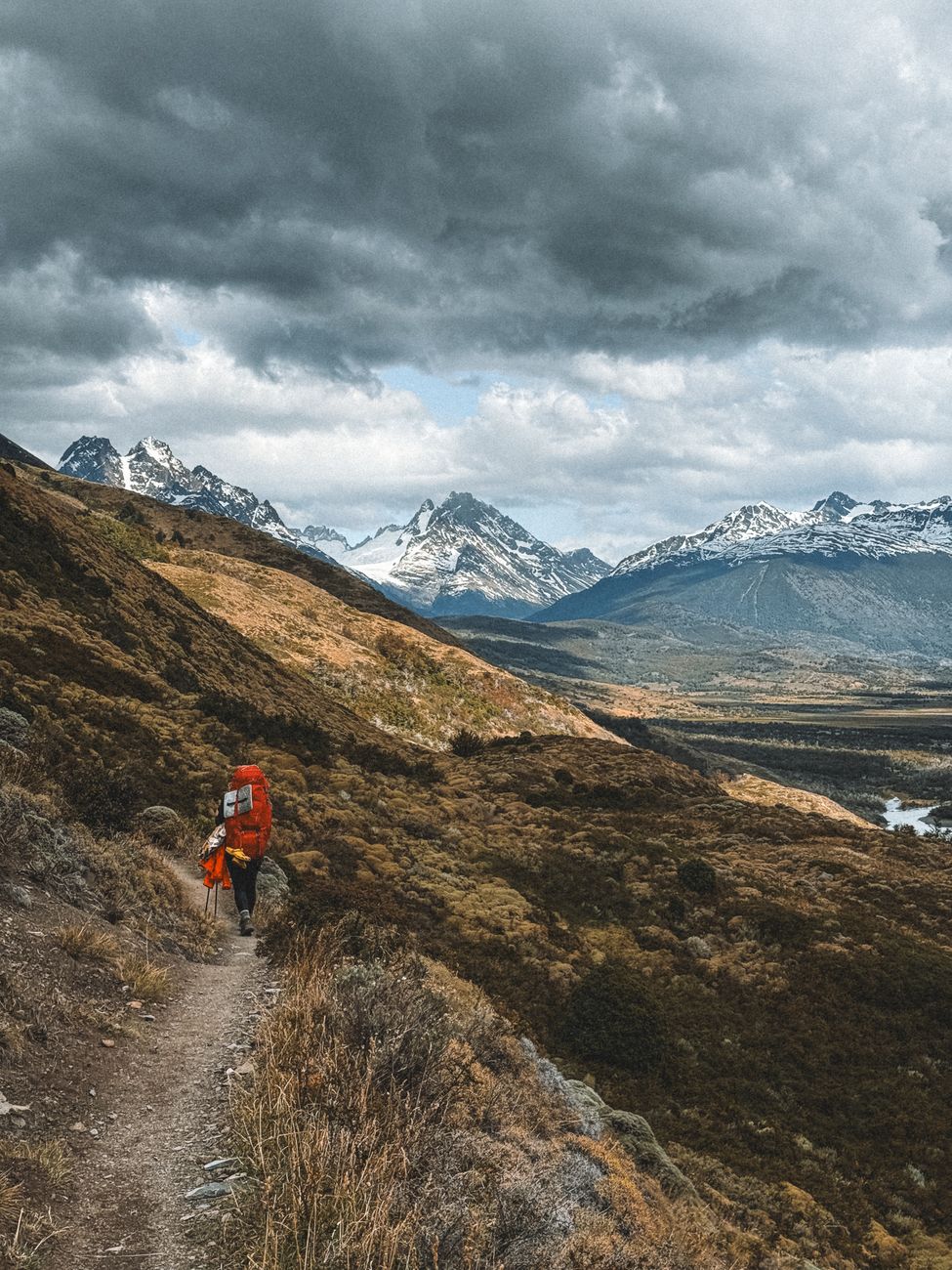
The wind here does not arrive as a breeze; it charges across the Southern Patagonian Ice Field like an unbridled tide.
Standing on the eastern moraine of the Grey Glacier, human scale shrivels. Towers of granite, carved by millions of years of glacial friction, puncture the low cloud ceiling like cathedral spires. Here, the planet does not pamper the traveler; it reminds you of your insignificance.
The Rhythm of Patagonian Silence
Travelers who venture south of the 50th parallel often expect spectacle, but what stays with you is the stillness that follows a gale. When the wind suddenly dies down, the only sound is the occasional cannon-shot echo of ancient ice calving into glacial lakes.
We stayed in an off-grid ecological yurt camp anchored against the gusts. Heated by small cast-iron stoves burning deadfall fallen from southern beech trees (nothofagus), the shelter becomes an anchor of comfort amidst untamed geography.
“Wilderness is not an escape from reality. It is the raw reality from which modern society has insulated itself.”
Responsible Exploration on the Fringes
Patagonia's ecosystem is remarkably fragile. The thin topsoils and slow-growing mosses take decades to recover if trodden carelessly. Intentional travel here demands rigorous self-discipline:
- Strict Leave-No-Trace: Packing out all residues from remote back-country routes.
- Guide Collaboration: Partnering with native baquedano horsemen whose families have read these terrains for generations.
- Energy Autonomy: Utilizing wind and solar micro-grids with battery banks designed for sub-zero operation.
As our expedition concluded and we turned northward, the landscape left an indelible clarity. Patagonia does not offer easy answers, but it cleanses the mind of trivia.
Plan a Patagonian Expedition
Inquire with our specialists for tailored logistics and eco-lodge bookings.