The Silent Aesthetics of Wooden Kyoto: Ryokans as Living Art
Reflections on sliding shoji screens, hinoki scent, and the discipline of spatial subtraction in Kansai.
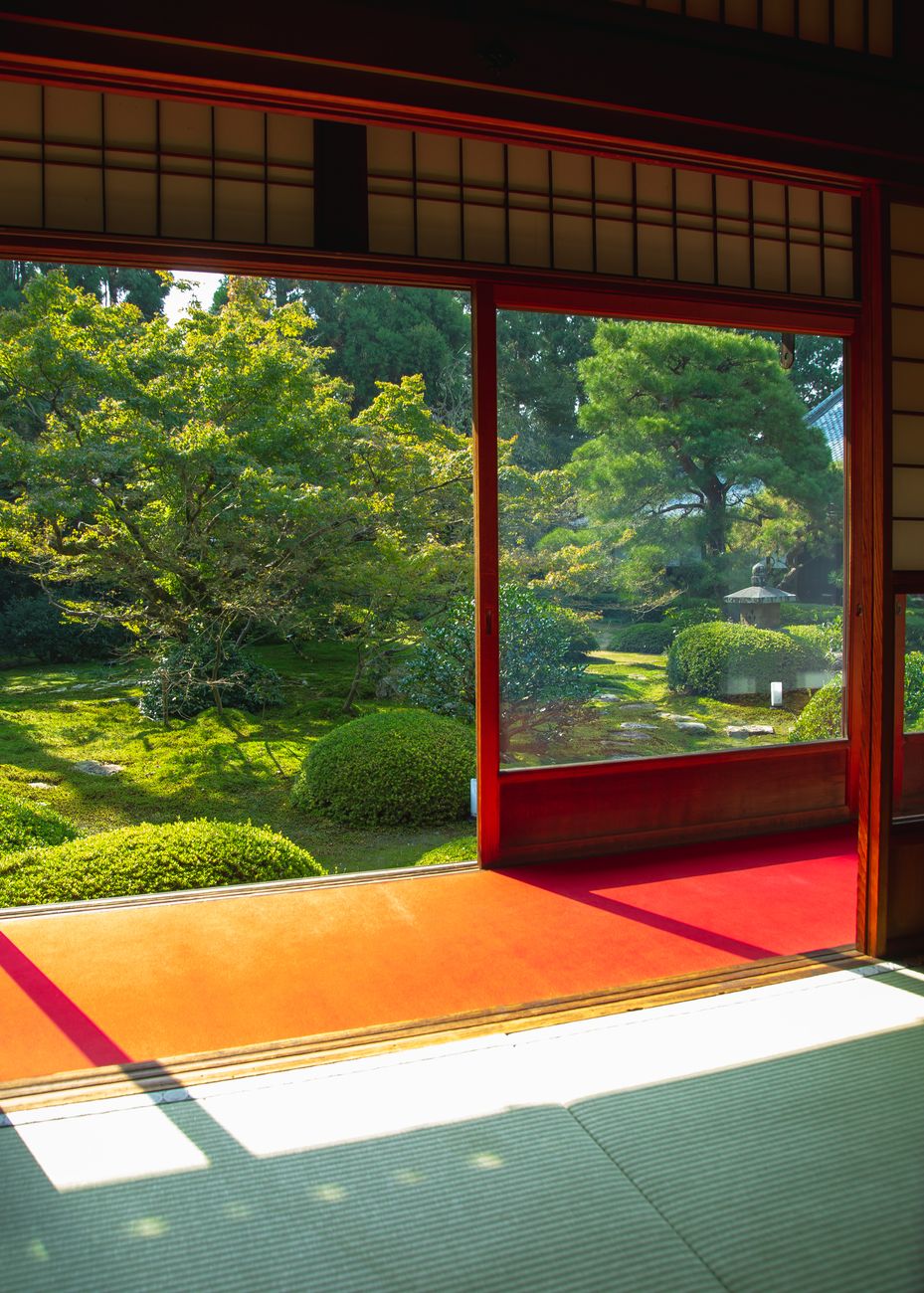
To step inside a well-preserved ryokan in the northern hills of Kyoto is to submit to an older, quieter cadence of reality.
The footwear is left at the genkan threshold. In doing so, the coarse grit of the modern metropolis is formally relinquished. Ahead lies polished cedar planks whose surfaces have been gently buffed by century-long socked steps. The faint aroma of hinoki cypress mingles with the earthy undertone of dried rush tatami mats, signaling that architecture here is not merely an enclosure, but a sensory envelope.
The Geometry of Shadows
In his seminal work In Praise of Shadows, Junichiro Tanizaki noted that Western architecture often seeks to banish gloom, illuminating every cranny with relentless radiance. Japanese domestic design, however, discovered beauty within the gradient between light and darkness.
Within the guest quarters of our ryokan, daylight does not crash into the room; it is softened by translucent washi paper mounted on delicate wooden lattice screens. The resulting illumination is gentle, cast across the alcove (tokonoma) where a single seasonal blossom and a calligraphic scroll reside in quiet contemplation.
“When light is rationed, every surface gains texture. Gold leaf ceases to be ostentatious and becomes a reservoir that faintly glows in the twilight.”
Joinery Without Iron
The structural spine of historic Machiya townhouses relies on traditional wood-to-wood joinery known as kigumi. Master carpenters interlocked mortise and tenon joints with mathematical precision, eschewing metal nails. This flexibility allows timber frames to sway harmlessly during seismic tremors and breathe with the seasonal humidity changes of the Kansai basin.
- Hinoki (Japanese Cypress): Prized for rot-resistance, subtle perfume, and tactile warmth.
- Sugi (Cedar): Utilized for ceiling planks and exterior slatted blinds.
- Bamboo: Providing pliable structural accents and fence work.
As dusk settles over the Kamogawa river, the ryokan service proceeds with noiseless grace. Kaiseki dinner arrives on lacquerware vessels, reflecting seasonal micro-harvests. In an age dominated by synthetic excess, Kyoto reminds us that true luxury is found when nothing unnecessary remains.
Seek Mindful Hospitality
Consult our travel desk to arrange private stays at historic Kansai ryokans.